How to Build a Strong House Foundation: 6 Expert Tips for Long-Lasting Strength
Enhancing Your Home Foundation
Your house foundation is like its strong structural support system, anchoring your home firmly to the ground base.
It’s what holds up the entire weight of the house. Today, most homes rely on a reinforced concrete slab foundation.
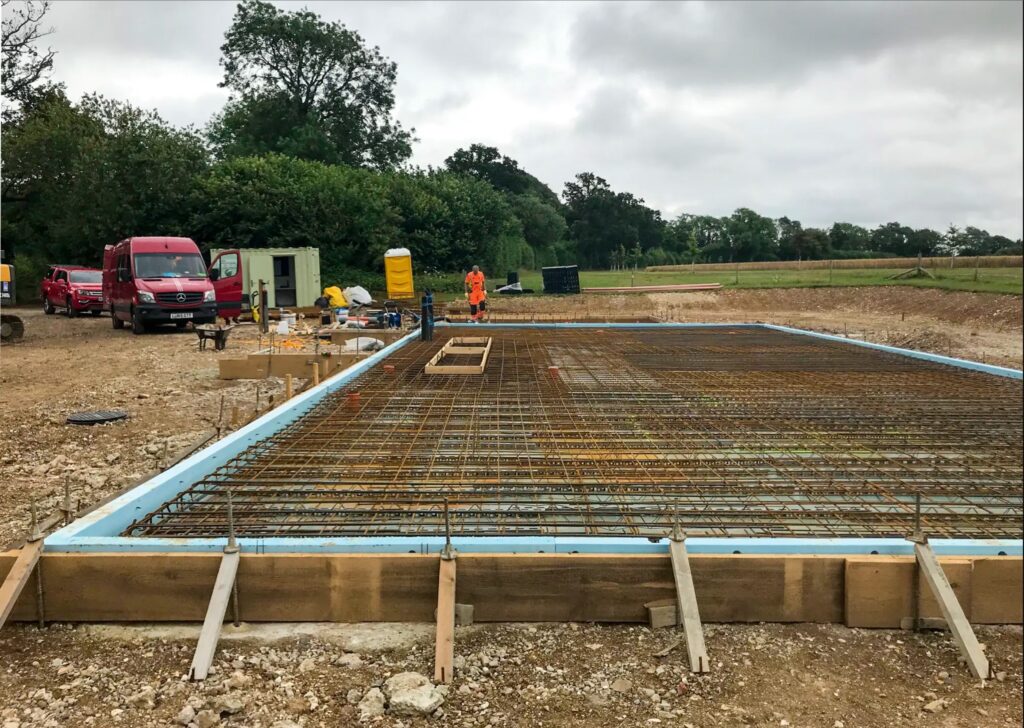
How Foundation Construction Works?
The building contractor creates wooden shuttering moulds and installs steel reinforcement bars (rebar). Then, they pour concrete mixture to form the foundation slab.
Once the concrete cures, the moulds are removed, leaving a solid, durable base.
A strong home foundation is essential. A weak base can make your entire house vulnerable to structural damage.
That’s why builders and engineers invest a lot of time and resources to ensure the foundation strength is optimal.
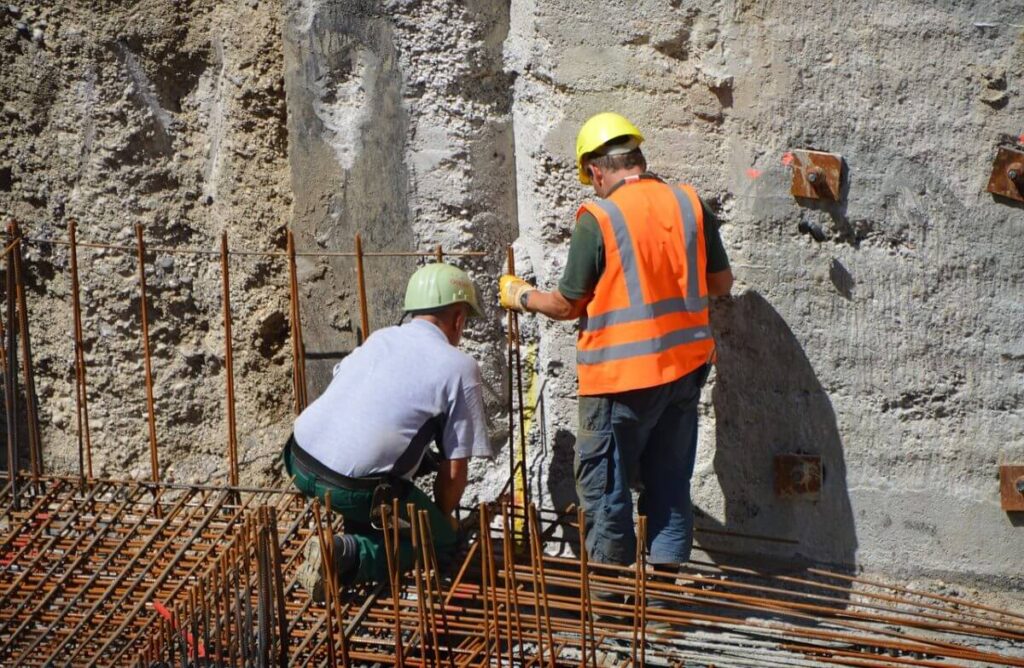
A strong foundation not only supports the house but also contributes to long-lasting durability and property value.
Building the foundation first isn’t just a construction tradition—it’s vital. Without a solid foundation, a building can crack or collapse.
Strong foundations help create resilient homes, modern infrastructure, and safer urban communities.
Appreciating the Importance of a Solid House Foundation
Understanding Why a Strong Foundation Is Critical for Home Safety
Your house foundation ensures your home remains safe, stable, and secure. Here’s why a solid foundation is crucial:
Key Benefits of a Good Foundation
-
Support and Stability: Acts as a load-bearing base, transferring the structure’s weight evenly to the ground surface, keeping your house level and balanced.
-
Rust and Corrosion Resistance: In coastal regions or high-humidity areas, foundations too close to the ground can be prone to oxidation and rust damage.
-
Use Corrosion-Resistant Steel (CRS) Bars: Prevent rusting by using corrosion-resistant steel reinforcement bars, especially in seaside construction or tropical climates.
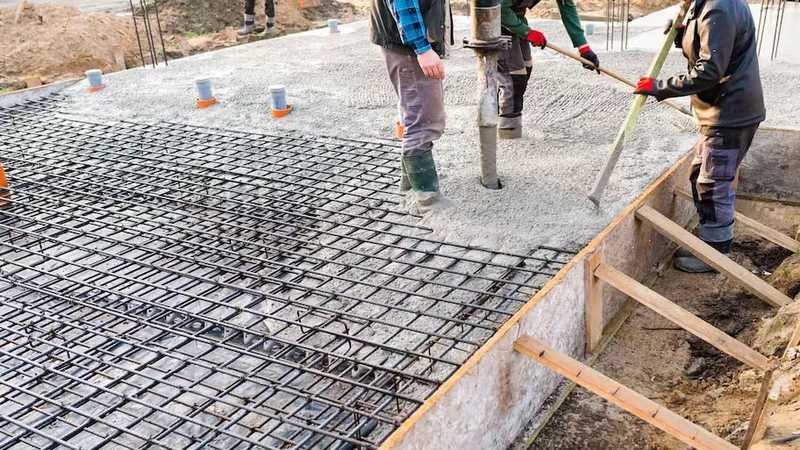
Why CRS Bars Are Better
CRS steel bars go through thermo-mechanical treatment (TMT), making them more resistant to corrosion, twist, and tensile stress. Ideal for coastal homes, bridges, dams, and flyovers, CRS bars offer long-term durability and high-strength performance.
Think of your foundation like a Lego tower base—if the bottom isn’t solid, the entire tower could fall. Using high-quality TMT steel bars keeps your home safe for generations.
Six Expert Tips to Strengthen Your Home Foundation

How to Build a Durable and Long-Lasting Foundation
-
Consider Soil Type Before Building
The type of soil beneath your home affects your foundation’s strength. Choose foundation materials based on soil composition and ensure correct reinforcement placement to avoid foundation settling or cracks. -
Proper Rebar Placement Matters
Reinforced steel bars (rebar) should be placed 4 inches deep inside the concrete. Shallow bars can rust and compromise the structure. Use TMT steel bars for their anti-rust properties and high durability. -
Accurate Foundation Layout
Ensure the foundation layout and footings are accurately measured and placed. Make sure the concrete slabs are square, aligned, and stable. -
Avoid Using Wet Cement
Don’t start foundation work with wet or poorly mixed cement. Ensure it’s dry and has the right water-cement ratio to avoid foundation weakness. -
Excavation and Site Grading
Conduct proper excavation and ground grading before laying your foundation. Smooth grading ensures better load distribution and structural integrity. -
Allow Proper Concrete Curing Time
Let the concrete cure completely—usually for 7 to 28 days—to achieve full compressive strength. Rushing this process can lead to cracks and early deterioration. Use foundation waterproofing for added protection.
Best Practices to Ensure Concrete Quality
Concrete Quality Control in Foundation Work
-
Air Content Monitoring: Minimize trapped air in the concrete to prevent weak spots and ensure dense, durable slabs.
-
Correct Cure Time: Test concrete setting time with a penetration test. Ensure it’s firm and cured before proceeding with further construction work.
Build Your Home on a Strong Foundation with Star Construction
At Star Construction, we specialize in building high-quality, long-lasting foundations. From using TMT and CRS steel bars to ensuring proper concrete curing and site analysis, we provide everything needed to build a safe, durable, and modern home.
👉 Contact Star Construction today to build your dream home on a strong, secure foundation.